Electricians
in Auckland
Auckland's electrical infrastructure is as diverse as its geography, ranging from heritage villas in Ponsonby requiring delicate rewiring to high-tech new builds in Albany. With over 1.6 million people living in the region, demand for reliable, qualified electricians is constant. Whether you are dealing with a flickering light in a central apartment or planning a complete switchboard upgrade for an Auckland home renovation, finding an electrician who is not only registered but also experienced with local conditions is paramount. Our guide to the best electricians in Auckland simplifies this process by highlighting professionals who are vetted for their expertise, safety standards, and customer service excellence. Every electrician listed here is a Licensed Building Practitioner or member of the Electrical Workers Registration Board (EWRB), ensuring that your home meets the rigorous New Zealand Electrical Code requirements. From emergency 24/7 call-outs to strategic solar installations, these top-rated professionals represent the gold standard of electrical services in the Super City. For other reliable trades, see our guides to Auckland Plumbers and Auckland Builders.
Last updated: July 2026
Electricians in Auckland: Quick Answer
Quick answer: The best choice depends on the outcome you need, the current information each business provides, and whether its location, availability, process, and terms fit your situation. This page is designed for matching registration, response time, and technical capability to the job.
| Businesses compared | 10 current TopRated listings |
|---|---|
| Main decision | matching registration, response time, and technical capability to the job |
| Location context | Current listing locations include Auckland Central, Grey Lynn, North Shore, Ponsonby and East Auckland. Location does not always equal service coverage, so confirm whether the business serves your exact address. |
How to Choose the Best Electrician in Auckland
Finding a reliable electrician in Auckland is more than just searching for 'electrician near me' on Google. Given the safety risks involved with electrical work, you need a professional who combines technical skill with a strong understanding of New Zealand's specific regulations. Here is what you need to consider before hiring.
1. Verify EWRB Registration
In New Zealand, all electricians must be registered with the Electrical Workers Registration Board (EWRB). This is non-negotiable. A registered electrician has the training and qualifications to perform work safely and legally. You can verify any individual's registration status on the EWRB Public Register. Always ask to see their practicing license when they arrive at your property.
2. Check for Master Electricians Membership
While EWRB registration is a legal requirement, membership in Master Electricians NZ is a badge of extra quality. Master Electricians are vetted for workmanship and must adhere to a strict code of ethics. Importantly, they offer a $20,000 workmanship guarantee on all residential work, providing peace of mind that if something goes wrong, you are covered. If you are also renovating, ensure your builders and painters coordinate with your electrical team for the best result.
3. Ask About Local Experience with Auckland Housing Types
Auckland has a unique mix of housing. If you live in a pre-1940s bungalow in Mt Eden or a villa in Grey Lynn, you need an electrician experienced with TRS (Tough Rubber Sheathed) or VIR (Vulcanised Indian Rubber) wiring, which are common in older homes and often require urgent replacement. Conversely, if you are in a modern apartment in the CBD, you might need someone experienced with high-density building infrastructure and smart home automation.
4. Demand a Certificate of Compliance (CoC)
For any significant electrical work, such as a new circuit or a switchboard upgrade, your electrician MUST provide a Certificate of Compliance (CoC). For smaller jobs like replacing a light switch, an Electrical Safety Certificate (ESC) is required. These documents are proof that the work was done to standard and are essential for your home insurance and future property sales.
5. Clear Communication and Punctuality
One of the most common complaints in the Auckland trades industry is poor communication. The best electricians provide clear, written quotes rather than vague verbal estimates. They should also be punctual; in a city where traffic is a constant factor, a good electrician will manage their schedule effectively and keep you informed of any delays.
How Much Do Electricians Charge in Auckland? (2026 Guide)
Electrical costs in Auckland are typically higher than the national average due to the city's higher operating costs and the high demand for skilled labor. Most Auckland electricians charge using a combination of a call-out fee and an hourly rate.
A call-out fee usually covers the first 30 to 60 minutes of labor and travel time. After that, you will be billed in 15 or 30-minute increments. Be aware that emergency after-hours services (nights, weekends, and public holidays) often incur a significantly higher call-out fee, sometimes double the standard rate. Below is a breakdown of typical pricing you can expect in Auckland for 2026.
| Service / Project | Typical Cost Range |
|---|---|
| Standard Call-out fee (includes first hour) | $140 – $200 + GST |
| Standard Hourly Rate (after first hour) | $90 – $120 + GST |
| Emergency / After-hours Call-out | $250 – $400 + GST |
| Install or replace a power socket | $150 – $250 (all incl.) |
| LED Downlight installation (per light) | $80 – $150 |
| Switchboard Upgrade | $1,500 – $3,500 |
| EV Charger Installation | $1,500 – $2,500 + |
| Full House Rewire (3-bedroom home) | $8,000 – $15,000 + |
Questions to Ask Before Hiring
- Are you a registered electrician with a current EWRB practicing license?
- Are you a member of Master Electricians NZ and do you offer their workmanship guarantee?
- Will you provide a Certificate of Compliance (CoC) or Electrical Safety Certificate (ESC) for this work?
- What is your call-out fee and what exactly does it cover?
- Do you have experience working on [my specific house type or electrical issue]?
- Is your work insured, and what is the limit of your public liability cover?
- Can you provide a fixed-price written quote for the entire project?
- Do you offer 24/7 emergency support if something goes wrong after the job is finished?

Grammar Electrical
Grammar Electrical is one of Auckland's most established electrical service providers, offering premium 24-hour support across the Super City. Known for their punctuality and expert troubleshooting, they specialize in everything from complex industrial repairs to high-end residential installations and maintenance.
Spark Electrical Auckland
Spark Electrical Auckland is a team of Registered Master Electricians offering high-quality electrical solutions with a focus on smart home technology. From 24/7 emergencies to complete residential electrical designs and commercial fit-outs, they deliver excellence with every spark.

Silverlake Electrical
Family-owned and North Shore-based, Silverlake Electrical is known for its high-quality residential and commercial workmanship. They pride themselves on clear communication, reliability, and precision, whether they are installing a single light fixture, performing a full home rewire, or wiring a large-scale commercial development.

Amps Electrical Ltd
Amps Electrical is a North Shore-based team providing guaranteed quality and safety-focused solutions. They are experts in residential renovations, switchboard upgrades, and large-scale commercial electrical infrastructure projects throughout Auckland.
First Point Electrical
First Point Electrical provides premium electrical services across Auckland, specializing in high-end residential projects and complex commercial maintenance. Their team is dedicated to providing efficient solutions and maintaining the highest safety standards, with particular expertise in modern EV charging and solar integration.
PowerPlus Electrical
PowerPlus Electrical provides reliable, safety-first electrical services across Central Auckland. They specialze in modern upgrades, including residential rewiring, EV charger installations, and energy-efficient LED lighting, all backed by upfront pricing and full insurance.
Strike Electrical Auckland
Strike Electrical is a dynamic, multi-service electrical company known for its innovative approach and transparent pricing. They are a favorite for Auckland property managers and homeowners due to their prompt response times, smart home automation expertise, and 24/7 availability.
Volt Masters NZ
Volt Masters NZ is a dedicated commercial and industrial electrical firm. They provide high-capacity solutions including solar panel design and installation, switchboard upgrades, and robust data cabling for businesses across Auckland's key commercial hubs.
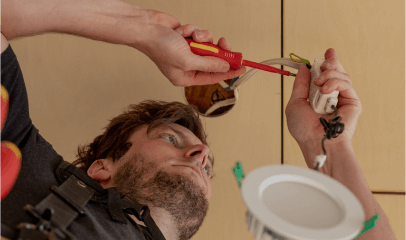
The Conduction Company
The Conduction Company is an Auckland electrical contractor based in Onehunga, providing residential and commercial electrical work, ventilation, security and CCTV, data and AV, EV chargers, solar, maintenance, inspections, and electrical compliance services.

Aotea Electric Auckland
One of New Zealand's largest and most respected electrical service providers, Aotea Electric Auckland offers a comprehensive range of electrical, communications, and security services. Their large team of master electricians handles everything from urgent 24/7 residential repairs to multi-million dollar commercial projects and high-end architectural builds.
Frequently Asked Questions
Do I need a Certificate of Compliance for all electrical work?
Not for 'minor' work like replacing a like-for-like light switch or socket. However, for any 'prescribed electrical work' such as adding new circuits, altering existing circuits, or upgrading a switchboard, a Certificate of Compliance (CoC) is a legal requirement in New Zealand. This document confirms the work is safe and compliant with current standards.
Why are my lights flickering when I turn on a high-power appliance?
This is often a sign of 'voltage drop' or an overloaded circuit. It could also indicate loose wiring in your switchboard or at the meter. Flickering lights should be investigated by a qualified electrician immediately, as loose connections are a primary cause of electrical fires, especially in older Auckland homes with dated wiring.
Is it worth upgrading to LED downlights in Auckland?
Absolutely. LED lights use up to 85% less energy than old halogen bulbs and can last up to 25 years. In an Auckland climate where heat loss is a concern, modern IC-rated LEDs allow you to run insulation right over the light, reducing drafts and improving home thermal efficiency. Most homeowners find the upgrade pays for itself in energy savings within 2-3 years.
How do I know if my Auckland home needs a full rewire?
If your home was built before 1970 and hasn't been rewired, it likely has TRS or VIR cabling, which becomes brittle and dangerous over time. Other red flags include a wooden-backed switchboard, ceramic fuses, or round black switches. A registered electrician can perform an 'Electrical Verification Report' (safety check) to confirm if a full rewire is necessary.
What is an RCD and do I need one?
An RCD (Residual Current Device) is a life-saving safety switch that cuts off power in milliseconds if it detects a leak to ground. New Zealand regulations now require RCD protection on most circuits. If your switchboard still uses old-fashioned wire fuses, you likely lack this protection and should consider a switchboard upgrade to include modern RCDs for every circuit.
Can I install my own EV charger at home?
No. Installing an EV charger is prescribed electrical work and must be done by a registered electrician. They will ensure your home's main supply can handle the load and install a dedicated circuit with the correct RCD protection (Type B RCDs are often required for EV chargers). They will also provide the necessary CoC after installation.