Japanese Restaurants
in Auckland
Auckland is home to arguably the best Japanese dining scene in Australasia, rivaling Sydney and Melbourne for authenticity and innovation. The city's deep cultural connection with Japan — fuelled by decades of migration, trade, and culinary exchange — has produced a landscape where you can experience meticulous omakase in Ponsonby, world-class robata grilling on Federal Street, smoky izakayas burrowed beneath Queen Street, and soul-warming Hokkaido-style ramen in suburban food courts. What sets Auckland apart is the quality of its seafood; New Zealand's pristine waters supply Ora King Salmon, Bluff oysters, and South Island crayfish directly to the city's top kitchens, allowing chefs to create sashimi that rivals Tokyo's Tsukiji Market. Whether you are planning a special anniversary dinner, a casual Saturday ramen crawl, or seeking the perfect sake pairing, this guide to the best Japanese restaurants in Auckland is your definitive resource. For other cuisines in Auckland, explore our guides to Chinese restaurants, Indian restaurants, and Thai restaurants.
Last updated: July 2026
Japanese Restaurants in Auckland: Quick Answer
Quick answer: The best choice depends on the outcome you need, the current information each business provides, and whether its location, availability, process, and terms fit your situation. This page is designed for matching a specific Japanese dining style to budget and occasion.
| Businesses compared | 9 current TopRated listings |
|---|---|
| Main decision | matching a specific Japanese dining style to budget and occasion |
| Location context | Current listing locations include Ponsonby, CBD, Britomart and Newmarket. Location does not always equal service coverage, so confirm whether the business serves your exact address. |
A Local's Guide to Japanese Dining in Auckland
Navigating Auckland's Japanese dining scene can be overwhelming, especially with so many styles of cuisine on offer. Here is our guide to help you find the perfect experience for any occasion.
1. Understanding the Different Styles
Not all Japanese restaurants are the same. Here is what the key terms mean:
- Omakase: A chef-curated tasting menu, typically served at the sushi counter. This is the pinnacle of Japanese dining. Expect 8-15 courses of seasonal dishes chosen by the chef. In Auckland, Cocoro and Kureta at the JW Marriott offer outstanding omakase experiences.
- Robata: Open charcoal grill cooking, originating from Hokkaido fishermen. MASU by Nic Watt is Auckland's premier robata restaurant, where everything from wagyu to king prawns is cooked over Binchotan charcoal.
- Izakaya: The Japanese equivalent of a gastropub. Izakayas like Tanuki's Cave are perfect for shared plates, yakitori skewers, cold beer, and a lively atmosphere.
- Ramen-ya: A restaurant dedicated to ramen. Auckland has a thriving ramen scene, with specialists like Tanpopo on Anzac Ave serving bowls for over 30 years.
- Nikkei: A fusion of Japanese and South American (usually Peruvian) cuisines. Azabu in Ponsonby is Auckland's most celebrated Nikkei restaurant.
2. Sake — A Quick Primer
Many top Japanese restaurants in Auckland have extensive sake lists. If you are new to sake, ask your server for a Junmai Daiginjo (a premium, fragrant sake) to start. Sake is graded by the amount the rice is polished — more polishing generally means a lighter, more refined flavour. Many Auckland restaurants now offer sake flights (a selection of small pours) which is the best way to explore. Generally, lighter sakes pair well with sashimi, while richer, warmed sakes complement robata-grilled meats.
3. Sushi Bar vs. Table Seating
If a restaurant offers counter (sushi bar) seating, take it. Sitting at the bar, especially for omakase, allows you to watch the chef's precision, interact with them, and receive each piece of sushi at its optimal temperature and texture. This is the authentic Japanese dining experience and is always the best seat in the house.
4. Booking and Tipping Etiquette
Auckland's top Japanese restaurants — particularly MASU, Cocoro, and Ebisu — are often booked out days or weeks in advance, especially for Friday and Saturday dinner. Always book ahead. For omakase, reservations are almost always essential. While tipping is not mandatory in New Zealand, a 10% tip for exceptional service at a fine dining restaurant is increasingly common and always appreciated.
5. What to Expect for Dietary Requirements
Japanese cuisine is generally accommodating. Most restaurants can cater for gluten-free needs (using tamari instead of soy sauce). Vegetarian and vegan options are growing, with many izakayas offering excellent vegetable tempura, edamame, and tofu dishes. Always mention allergies when booking, as some kitchens use shared fryers or handle shellfish extensively.
How Much Does Japanese Dining Cost in Auckland? (2026 Guide)
Japanese dining in Auckland spans a wide range, from a $15 bowl of authentic ramen to a $250+ omakase experience. Here is a breakdown of what you can expect to pay at different tiers of the Japanese dining scene in 2026.
Note that most fine dining restaurants add a 15% surcharge on public holidays, and some include a service charge for groups of 6 or more. BYO is rarely available at high-end Japanese restaurants due to their curated drink lists.
| Service / Project | Typical Cost Range |
|---|---|
| Ramen / Udon Bowl (casual ramen-ya) | $16 – $24 |
| Izakaya Shared Dinner (per person, drinks extra) | $40 – $70 |
| Mid-Range Japanese Dinner (per person) | $60 – $100 |
| Sake Flight (3-4 tasting pours) | $25 – $45 |
| High-End Sashimi Platter (to share) | $55 – $120 |
| Premium Robata Dinner (MASU-tier, per person) | $100 – $180 |
| Omakase Degustation (Cocoro / Kureta-tier) | $150 – $280 |
| Full Fine Dining with Sake Pairing (per person) | $200 – $350+ |
Questions to Ask Before Hiring
- Do you offer an omakase or degustation menu, and how many courses are included?
- Can the kitchen accommodate specific dietary requirements like gluten-free or vegan?
- Is counter (sushi bar) seating available for tonight, and do you recommend it?
- Which sake would you recommend to pair with the sashimi course?
- Is the seafood sourced locally from New Zealand waters?
- Do you have a lunch menu or set lunch specials available on weekdays?
- Is there a surcharge on public holidays or for large groups?
Cocoro
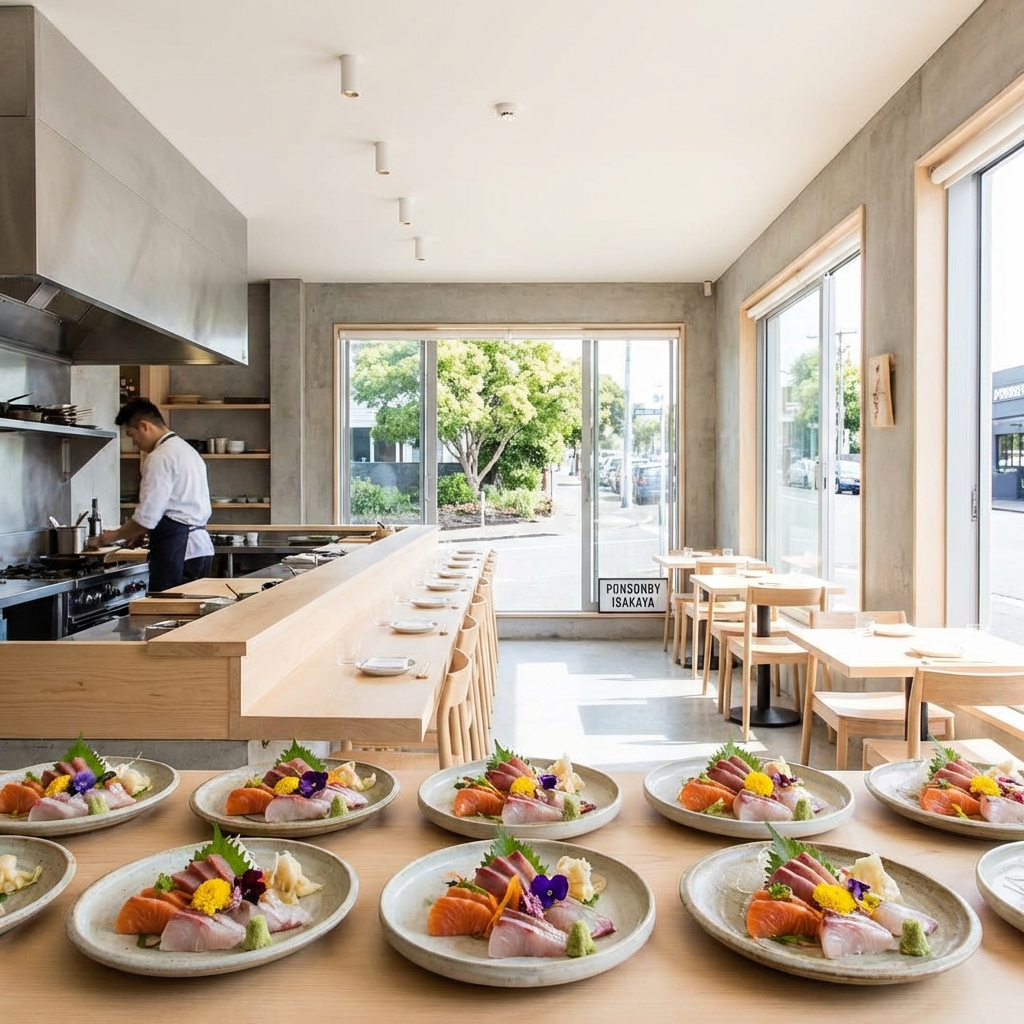
Cocoro, meaning 'heart and soul' in Japanese, is Ponsonby's most celebrated Japanese restaurant. Renowned for its artful multi-course degustation menus and the iconic Signature Sashimi Platter featuring 25+ varieties of pristine New Zealand seafood, it offers an intimate, chef-driven experience that is considered Auckland's closest equivalent to a Tokyo omakase counter.

Kazuya
Chef Kazuya Yamauchi's eponymous restaurant is one of Auckland's most refined and intimate dining destinations. Located in a discreet Symonds Street space, Kazuya offers a multi-course set menu that masterfully fuses European and Japanese techniques — think slow-roasted meats with Japanese broths, and sashimi with European garnishes. It is frequently cited as one of New Zealand's best restaurants.
MASU by Nic Watt
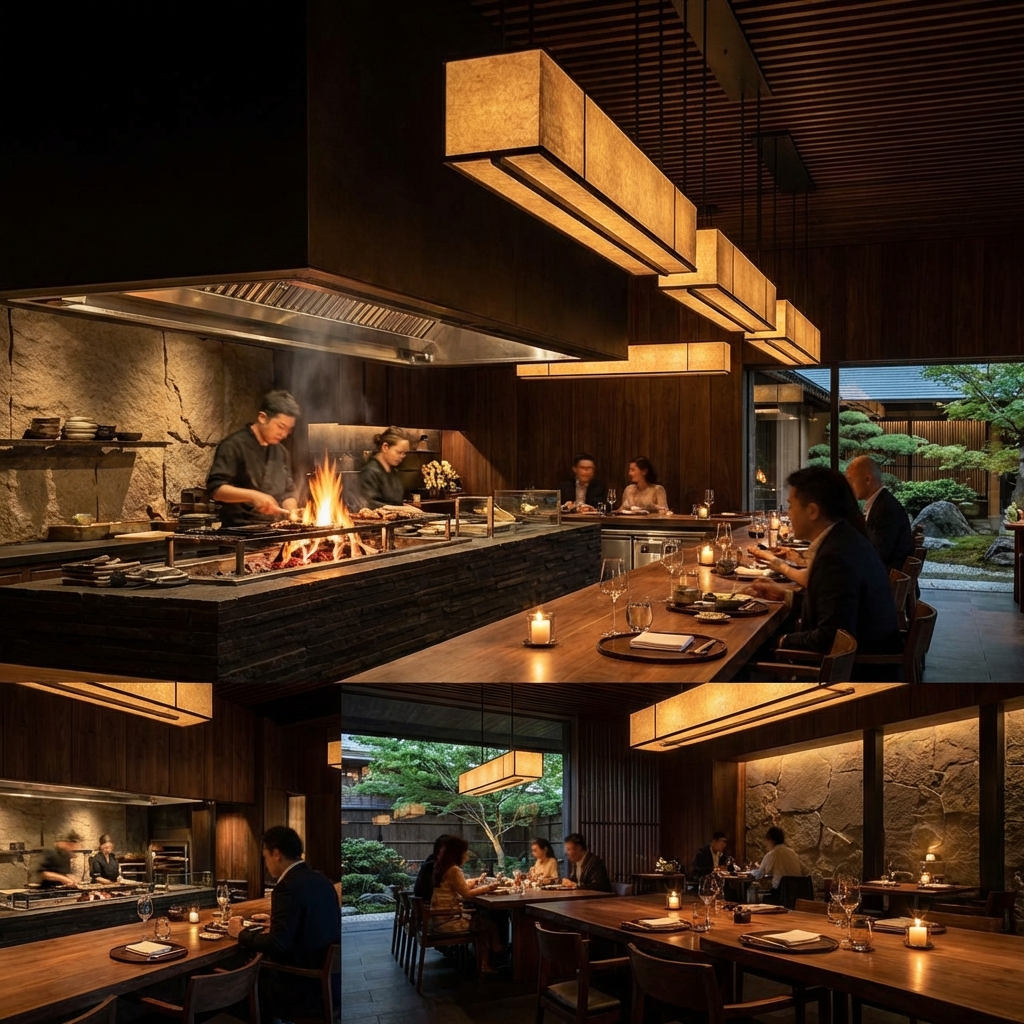
Award-winning robata-style Japanese dining in the heart of Auckland's Federal Street precinct. Executive Chef Nic Watt's signature SkyCity restaurant is celebrated for its contemporary take on traditional open-charcoal Binchotan cooking, with a menu that champions New Zealand's finest seasonal ingredients alongside premium Japanese imports like A5 Wagyu.
Azabu
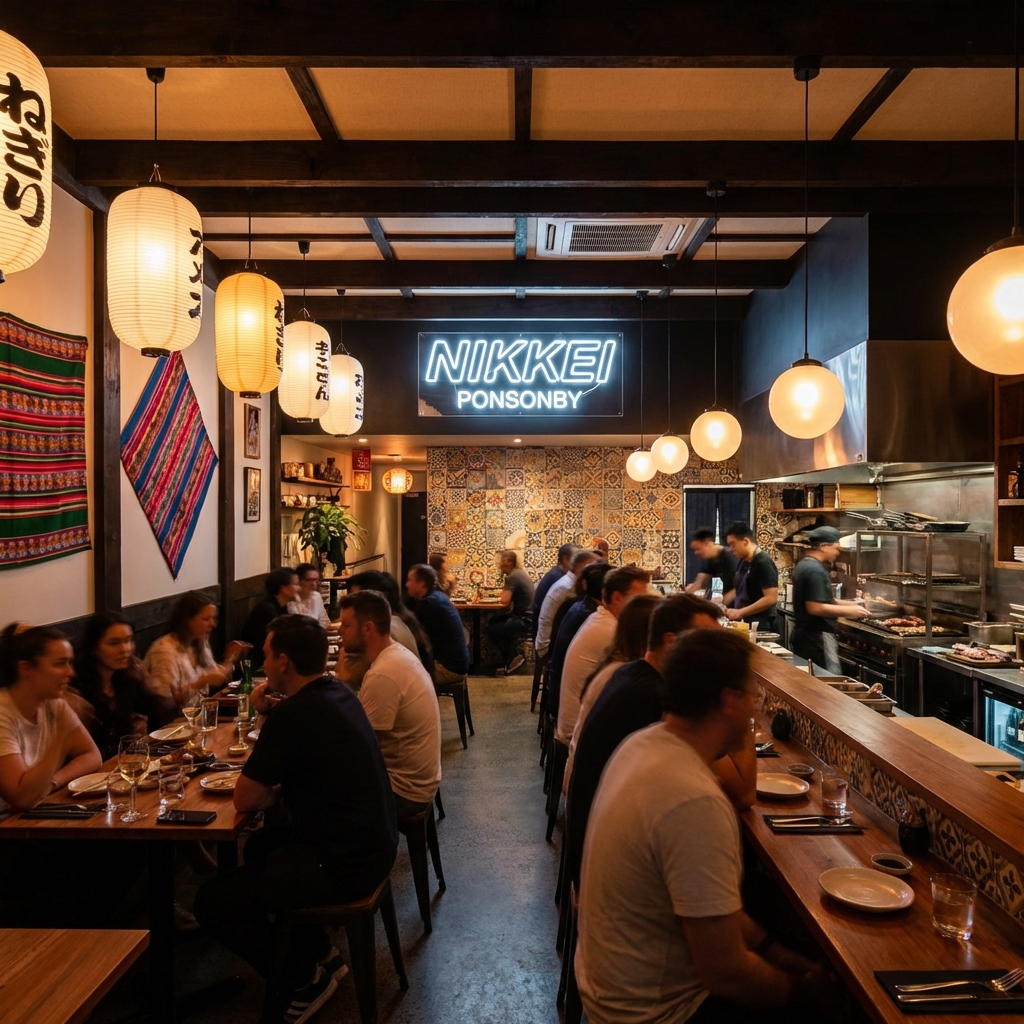
Azabu is Auckland's pioneer of Nikkei cuisine — the vibrant fusion of Japanese precision and Peruvian bold flavours born from Japanese migration to South America. Set across two locations in Ponsonby and Mission Bay, the restaurant offers an electric atmosphere, creative cocktails from the hidden sake bar, and dishes like new-style sashimi, golden gyoza, and robata-grilled meats that defy convention.

Kureta
Located within the JW Marriott Auckland, Kureta offers a refined teppanyaki and omakase experience that blends elemental Japanese cooking with New Zealand's finest produce. The dramatic open kitchen, where chefs perform with precision and flair on the hot iron plate, provides a theatrical dining experience that is both intimate and celebratory. The dedicated sake sommelier curates pairings that elevate every course.
Tanpopo Ramen
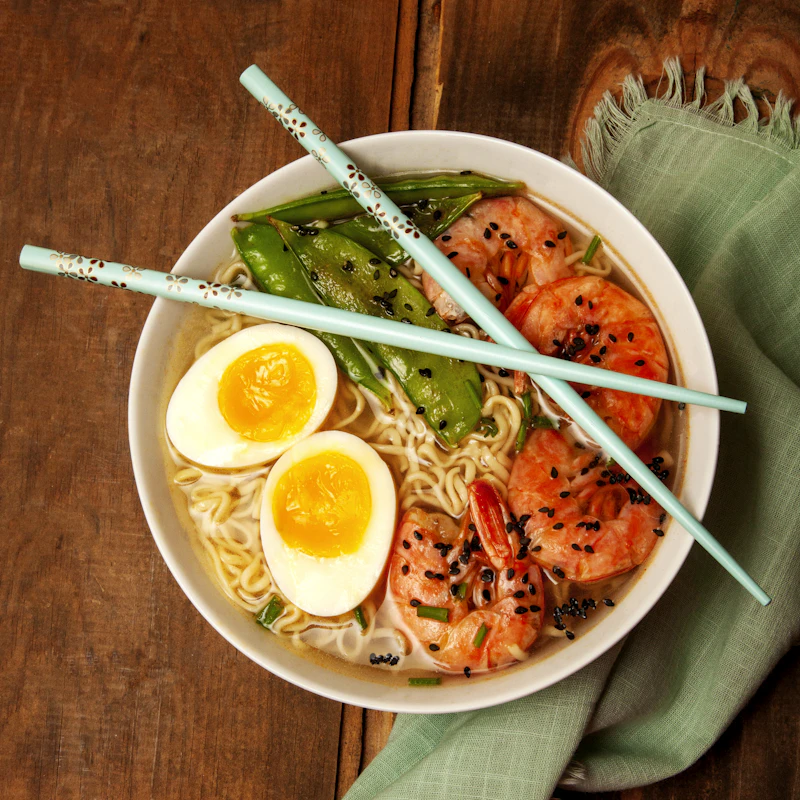
Tanpopo is Auckland's longest-running and most iconic ramen house, serving steaming bowls of authentic tonkotsu shoyu ramen on Anzac Ave for over three decades. Beloved by students, office workers, and Japanese expats alike, it is the benchmark for no-frills, soul-warming ramen in New Zealand. The rich pork bone broth, simmered for hours, is the star of every bowl.
Ebisu
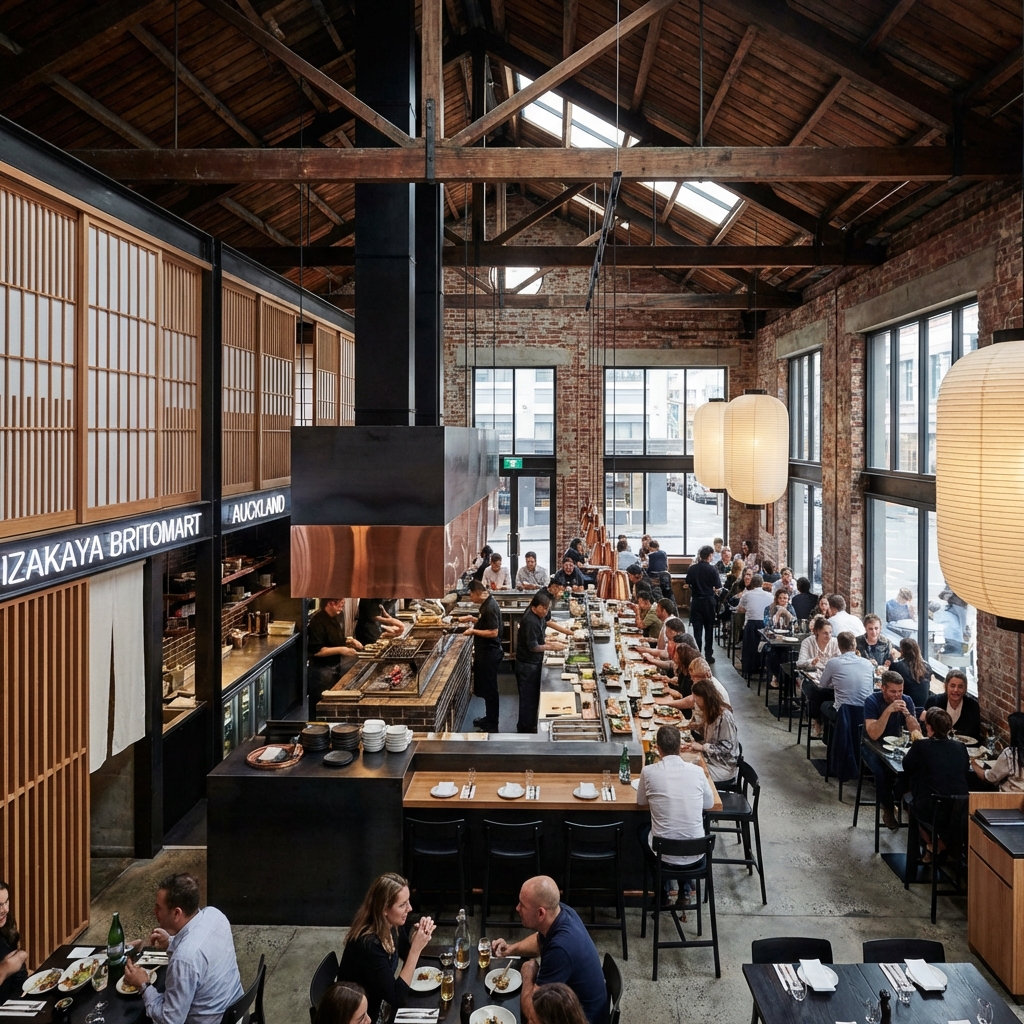
Located in the heart of Britomart's waterfront precinct, Ebisu delivers modern Japanese dining in a sleek, industrial-chic space. The kitchen blends traditional Japanese techniques with contemporary European influences, featuring locally sourced seafood, premium A5 wagyu, and innovative sushi rolls — including the famous Rainbow Roll — in a sophisticated yet relaxed setting.

IPPUDO Newmarket
The Auckland outpost of the world-famous Hakata ramen chain, IPPUDO Newmarket brings an energetic, fast-paced atmosphere and bowls of their signature Shiromaru Motoaji tonkotsu ramen. Diners can customize noodle firmness, richness, and toppings to their preference. Beyond ramen, the menu includes excellent karaage chicken, steamed buns, and seasonal specials.
Tanuki's Cave
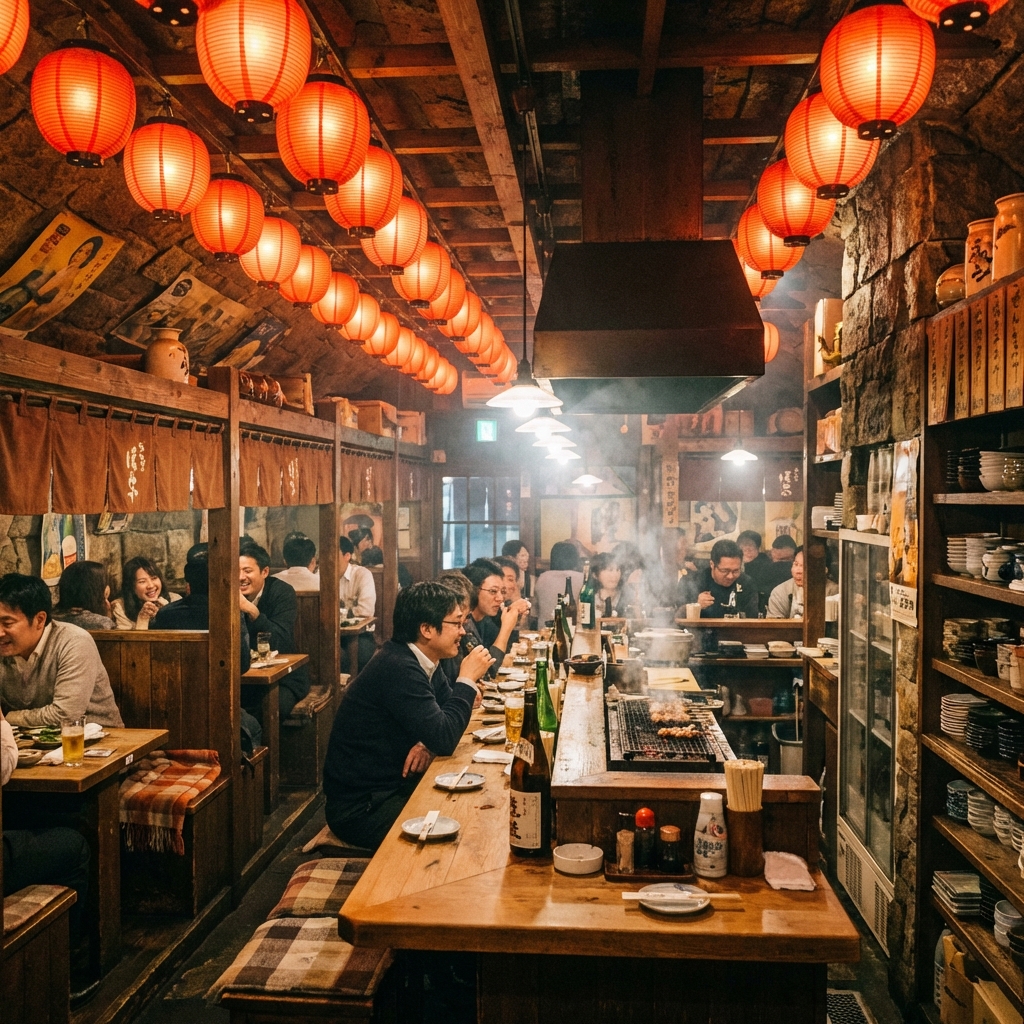
An underground izakaya institution that has been a Queen Street landmark since 1994. Descend the staircase into a smoky, atmospheric cave where the yakitori grill sizzles with skewers, kushiage baskets emerge golden from the fryer, and a vast selection of premium sake and Japanese whisky flows freely. Tanuki's Cave is an essential Auckland experience for anyone who loves authentic, casual Japanese dining.
Frequently Asked Questions
What is the best area in Auckland for Japanese food?
The Auckland CBD is the epicentre, with Federal Street (home to MASU) and the Britomart precinct (home to Ebisu) hosting several premium Japanese restaurants. Ponsonby is the other major hub, home to Cocoro and Azabu. For more casual ramen and udon, Anzac Ave and Newmarket offer excellent value-for-money options.
Are there authentic izakayas in Auckland?
Yes, Auckland has several authentic izakayas. Tanuki's Cave on Queen Street has been a local institution since 1994, offering classic yakitori, kushiage skewers, and an extensive sake list in a characterful underground setting. Azabu in Ponsonby also channels izakaya energy with its vibrant atmosphere and shared plates.
Where can I find the best omakase in Auckland?
Cocoro in Ponsonby is widely considered Auckland's premier omakase destination, with their multi-course degustation menus featuring over 25 varieties of seasonal sashimi. Kureta at the JW Marriott Auckland also offers a celebrated omakase teppanyaki experience, blending elemental Japanese cooking with fine dining service.
What is the best ramen in Auckland?
Auckland has a thriving ramen scene. Tanpopo on Anzac Ave is the undisputed veteran, serving classic tonkotsu shoyu ramen for over 30 years. IPPUDO in Newmarket is a world-famous chain known for its rich Shiromaru broth. For adventurous eaters, Chop Chop Noodle House offers creative 'mega ramen' bowls loaded with flavour.
Is Japanese food in Auckland expensive?
It depends entirely on the style. A bowl of excellent ramen costs $16-$24, making it one of the city's most affordable quality meals. An izakaya dinner with shared plates and drinks is typically $40-$70 per person. Fine dining and omakase experiences range from $150 to $350+ per person with sake pairings, placing them in the premium category.
Do I need to book Japanese restaurants in Auckland?
For premium restaurants like MASU, Cocoro, Ebisu, and Azabu, booking is highly recommended, especially for Friday and Saturday dinners. Walk-ins are usually possible at casual ramen-ya and izakayas, though Tanuki's Cave can get busy after 7pm on weekends.
Can I get good vegetarian Japanese food in Auckland?
Yes, Japanese cuisine naturally includes many plant-based elements. Most Auckland Japanese restaurants offer excellent vegetable tempura, edamame, agedashi tofu, and vegetable sushi rolls. Higher-end restaurants like Cocoro and MASU can create bespoke vegetarian degustation menus if you mention this when booking.